No items found.
Startup Advice
🎙️ How to Build a More Memorable Health Tech Brand
From positioning and messaging to trust and memorability, this conversation explores what early-stage health tech brands need to stand out.
The Company Advice Team
Posted on
March 18, 2025

Key Takeaways
- Marketing is the system that helps the market understand who you are.Too many founders treat it as something to add later, once the product is built or they suddenly need leads. By then the company has been growing without the thing that explains what it does, why it matters, and who it's for.
- In health tech, vague positioning costs more because buyers start out skeptical.Most startups know their product deeply but fall back on broad claims and polished language that sounds like everyone else. When trust is the deciding factor, messaging that could describe any company gives a cautious buyer no reason to choose you.
- Memorability comes from sounding human and having a real point of view.Polished copy that reads like a press release blends in; speaking like a person with an actual stance gives people something to hold onto. Strong marketing builds trust and gives buyers a reason to care, which is what makes a brand stick.
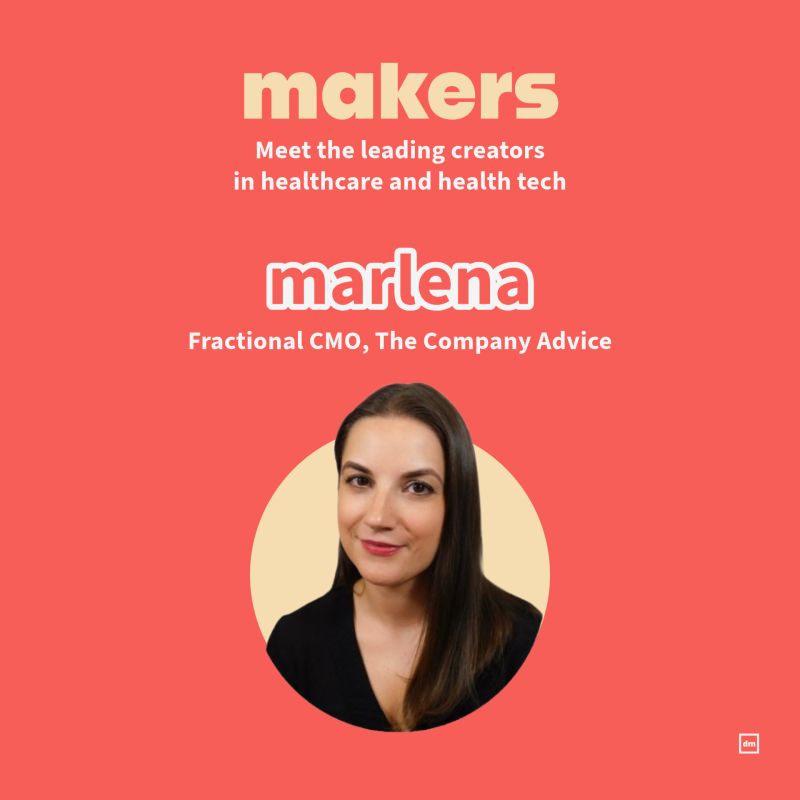
In this interview with David McCarthy of Makers, Marlena Sarunac of The Company Advice talks through the marketing mistakes she sees early-stage health tech brands make most often and why those mistakes can quietly hold back growth.
“Marketing is a system, not a band-aid.”
A big theme throughout the conversation is that many founders treat marketing like something they can layer on later. Once the product is built, once the site is live, once they need leads. Marlena makes the case that this is one of the biggest misunderstandings early-stage teams have. Marketing isn't a quick fix. It is not a band-aid. It's a system that helps the market understand who you are, what you do and why it matters.
She also gets into the problem of weak positioning. A lot of startups know their product well, but struggle to explain their value in a way that feels clear, specific, and memorable. Instead, they fall back on familiar language, broad claims, or messaging that sounds polished but interchangeable. In health tech especially, where trust matters and buyers are often skeptical, that kind of vagueness makes it harder to stand out.
Another point Marlena touches on is memorability. Brands do not need to be loud for the sake of it, but they do need to be remembered. That means speaking more like a human and less like a press release. It means having a real point of view. And it means understanding that strong marketing is not just about promotion. It is about building trust and giving people a reason to care.
The conversation also highlights why early-stage founders often underestimate the amount of foundation that marketing needs. Positioning, messaging, and brand clarity take work. They aren't extras. They are part of building a company people can understand and choose.
Overall, this interview is a useful look at why so much early-stage marketing falls flat and what founders should focus on instead if they want to build a stronger, more credible brand.
👉 Read the full interview to hear Marlena’s perspective on health tech marketing, startup positioning, and what it really takes to build a brand people remember.

Frequently asked questions
01
Why can't startups just add marketing later, once the product is built?
Because by the time founders reach for it, once the site is live or they suddenly need leads, the company has been growing without the thing that explains who it is. Marketing is a system that helps the market understand what you do and why it matters, and that system takes time to build. Treated as a late add-on, it can't do its job.
02
What does "marketing is a system, not a band-aid" mean?
It means marketing isn't a quick fix you apply when growth stalls. It's the ongoing system that makes the market understand who you are, what you do, and why it matters. A band-aid covers a problem for now; a system is the foundation that positioning, messaging, and brand clarity are built on.
03
Why does positioning matter so much for health tech startups?
Because health tech buyers tend to be skeptical, and trust is often the deciding factor. Many startups know their product well but explain it with broad claims and language that sounds like everyone else. In a cautious market, that vagueness makes it hard to stand out or earn trust.
04
How can early-stage brands become more memorable?
By speaking like a human instead of a press release and having a real point of view. Brands don't need to be loud, but they do need to be remembered, and interchangeable, polished copy doesn't stick. Memorability comes from giving people a clear reason to care and trust you, not just promotion.
05
What marketing mistakes do early-stage health tech companies make most often?
Treating marketing as a band-aid to bolt on later, leaning on weak or interchangeable positioning, and underestimating how much foundation positioning, messaging, and brand clarity actually take. Each one makes the brand harder to understand and choose, especially in front of skeptical buyers.